

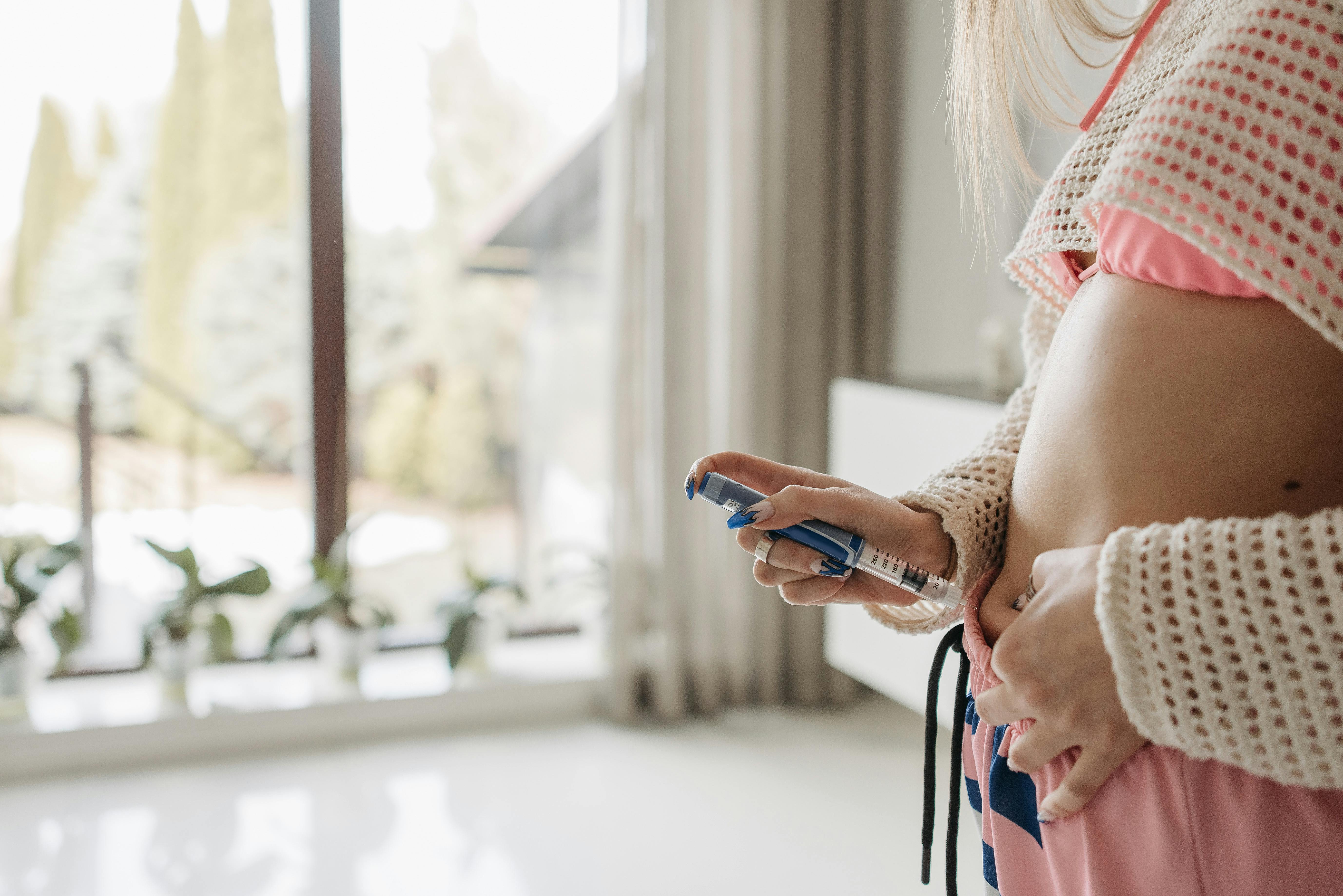
Before I started researching Ozempic, I expected the side effects section to be a quick read. It was not. The range of possible effects, from mild nausea to rare but serious conditions, deserves a thorough explanation. I talked to pharmacists, reviewed the clinical trial data, and gathered real patient experiences to put this guide together.
Common Side Effects of Ozempic
The most frequently reported side effects are gastrointestinal. In the SUSTAIN clinical trials, these were the rates for patients on the 1.0mg dose:
| Side Effect | Frequency | Typical Duration | Severity |
|---|---|---|---|
| Nausea | 20-22% | 2-8 weeks | Mild to moderate |
| Diarrhea | 8-10% | 1-4 weeks | Mild |
| Vomiting | 5-9% | 1-3 weeks | Mild to moderate |
| Constipation | 5-7% | Ongoing for some | Mild |
| Abdominal pain | 5-7% | 2-6 weeks | Mild |
| Decreased appetite | 6-9% | Ongoing (desired effect) | Mild |
| Headache | 3-4% | 1-2 weeks | Mild |
| Fatigue | 2-3% | 1-4 weeks | Mild |
Nausea is by far the most common complaint. It tends to be worst during the first 2 weeks at each new dose level and usually improves significantly by week 4 to 6. [1][2][3]
Side Effect Timeline: Week by Week
Weeks 1 to 4 (0.25mg dose): Most patients tolerate the starter dose well. Mild nausea is common, especially after meals. About 10 to 15% of patients report some stomach discomfort. Appetite reduction usually begins within the first week.
Weeks 5 to 8 (0.5mg dose): Nausea often peaks during the first dose increase. This is when most patients experience the worst GI symptoms. Diarrhea and vomiting are more common during this period. The good news is that symptoms typically improve within 2 weeks of staying at the same dose.
Weeks 9 to 16 (1.0mg maintenance): Another wave of nausea can occur when moving to the maintenance dose. By week 12 to 16, most patients report that side effects have settled significantly. About 3 to 5% of patients cannot tolerate this dose and step back down to 0.5mg.
Week 16 and beyond: By this point, most side effects have resolved or become very mild. Decreased appetite typically persists, which is the desired therapeutic effect. Some patients continue to experience occasional constipation.
How to Manage Ozempic Side Effects
I gathered these tips from pharmacists and patients who have been on Ozempic for 6+ months: [4]
For nausea: Eat smaller, more frequent meals. Avoid greasy, fried, or very sweet foods. Ginger tea or ginger candies can help. Some patients find that taking Ozempic before bed (instead of in the morning) reduces daytime nausea.
For constipation: Increase water intake to 2 to 3 liters per day. Add fiber-rich foods gradually. A daily fiber supplement (psyllium husk) can help. Light exercise like walking stimulates bowel movements.
For diarrhea: Stay hydrated with electrolyte drinks. Avoid dairy and high-fat foods temporarily. Choose easy-to-digest options like brothy soups, oatmeal, boiled potatoes, and gentle proteins such as eggs, chicken, and fish to keep nutrients up while your stomach settles. Diarrhea usually resolves within 1 to 2 weeks.
For injection site reactions: Rotate injection sites between your abdomen, thigh, and upper arm. Let the pen warm to room temperature before injecting. Clean the area with alcohol and let it dry completely.
Serious Side Effects and Risks
While rare, some serious side effects require immediate medical attention. These are not meant to scare you, but you should be aware of them.
Pancreatitis: Inflammation of the pancreas occurs in less than 1% of patients. Symptoms include severe abdominal pain that radiates to the back, nausea, and vomiting. If you experience severe persistent stomach pain, stop taking Ozempic and go to the emergency room. [1]
Gallbladder problems: Rapid weight loss can increase gallstone risk. About 1 to 3% of patients in clinical trials developed gallbladder-related issues. Symptoms include sharp pain in the upper right abdomen, especially after eating fatty foods. [7]
Thyroid tumors (boxed warning): In animal studies, semaglutide caused thyroid C-cell tumors in rats. This has not been confirmed in humans, but Ozempic carries a boxed warning. It is contraindicated in patients with a personal or family history of medullary thyroid carcinoma (MTC) or Multiple Endocrine Neoplasia syndrome type 2 (MEN 2). [9]
Kidney problems: Dehydration from vomiting or diarrhea can worsen existing kidney conditions. Patients with kidney disease should be monitored more closely. Report any decrease in urine output to your doctor.
Hypoglycemia: Low blood sugar is rare when Ozempic is used alone but more common if you take it with insulin or sulfonylureas. Symptoms include shakiness, sweating, confusion, and dizziness. [1]
When to Call Your Doctor
Contact your doctor or go to urgent care if you experience:
- Severe stomach pain that does not go away
- Persistent vomiting (unable to keep fluids down for 24+ hours)
- Signs of an allergic reaction (swelling of face, tongue, or throat, difficulty breathing)
- Yellowing of your skin or eyes (jaundice)
- A lump or swelling in your neck
- Vision changes
Ozempic and Other Medications
Ozempic can interact with certain medications. Because it slows stomach emptying, it may affect the absorption of oral medications you take at the same time. This is especially important for:
- Oral contraceptives (birth control pills may be less effective)
- Blood thinners like warfarin
- Insulin and sulfonylureas (increased hypoglycemia risk)
- Levothyroxine (thyroid medication)
Always tell your doctor and pharmacist about every medication you take before starting Ozempic. If you are considering Ozempic and want to learn about how to get a prescription, check the guide on how to get Ozempic in Canada.
Ozempic Face and Muscle Loss
"Ozempic face" refers to the gaunt, aged appearance some patients develop after rapid weight loss. This happens because fat loss in the face causes skin to sag. It is not unique to Ozempic and occurs with any rapid weight loss method. [5]
Muscle loss is a real concern. Studies show that about 25 to 40% of weight lost on GLP-1 medications is lean mass (muscle). To minimize this, prioritize protein intake (aim for 1.2 to 1.6 grams per kilogram of body weight daily) and engage in resistance training at least twice per week. [6]
Comparing Ozempic Side Effects to Other GLP-1 Drugs
How does Ozempic compare to other GLP-1 medications for side effects? The profile is similar across the class, but there are differences. Mounjaro (tirzepatide) has a similar GI side effect profile but may cause more nausea at higher doses due to its dual GIP/GLP-1 action. [10]
| Drug | Nausea Rate | Discontinuation Rate | Unique Risks |
|---|---|---|---|
| Ozempic (semaglutide) | 20% | 4-6% | Thyroid tumor warning |
| Wegovy (semaglutide 2.4mg) | 44% | 7% | Same as Ozempic |
| Mounjaro (tirzepatide) | 18-24% | 4-7% | Similar GI profile |
| Contrave (naltrexone/bupropion) | 32% | 24% | Seizure risk, BP increase |
| Saxenda (liraglutide) | 39% | 9% | Thyroid tumor warning |
Online Providers Cost Comparison
Managing Ozempic side effects safely starts with a qualified prescriber and reliable clinical follow-up. Below is how the main Canadian online providers compare for Ozempic prescribing and ongoing care, with BirchRx our highest-rated provider in Ontario, BC, Alberta and Saskatchewan, and MyRocky our pick everywhere else.
| Provider | Ozempic Monthly Cost | Consultation Fee | Coverage | Learn More |
|---|---|---|---|---|
| BirchRx (top pick) | Generic semaglutide: $149 first month, then $199 | Free assessment, pay only if approved | ON, BC, AB and SK only | Visit BirchRx |
| MyRocky | Generic $149 + $60/mo fee / Brand from $200 | $99 one-time (includes lab work and first prescription) | All 10 provinces (including QC and NB) | Visit MyRocky |
| Felix Health | Brand $149/pen / Generic $149/pen | Free (first), $40 follow-up | All provinces except QC and NB | Visit Felix |
| Maple | Via pharmacy | $69 one-time | All provinces + territories | Visit Maple |
| Hims Canada | From $149 | Included in plan | ON, BC, AB (expanding 2026) | Visit Hims |
| Jill Health | Pricing on assessment | Pricing on assessment | Select provinces | Visit Jill |
| DooU | Pricing on assessment | $45 one-time | All provinces + territories | Visit DooU |
| Raven | Pricing on assessment | Pricing on assessment | 9 provinces | Visit Raven |
BirchRx is our top-rated Canadian GLP-1 provider in Ontario, British Columbia, Alberta and Saskatchewan in 2026 (9.5/10). The assessment is free and you pay nothing unless a Canadian physician approves you, so month one is $149 and ongoing months are $199, with everything included. BirchRx prescribes generic semaglutide, the same active ingredient as Ozempic. BirchRx is a paid sponsor of this site. Read our full BirchRx review.
MyRocky is our top-rated Canadian GLP-1 provider outside Ontario, BC, Alberta and Saskatchewan in 2026 (9.1/10). MyRocky operates its own LegitScript-certified pharmacy in Mississauga, employs Canadian-licensed MDs, nurse practitioners and pharmacists, and serves all 10 provinces (including Quebec and New Brunswick where Felix and Hims do not). The $99 one-time consultation includes lab work and the first prescription, with a 4-week monitoring cadence to catch and manage side effects early. Read our full MyRocky review.
Frequently Asked Questions
How long do Ozempic side effects last?
Most common side effects (nausea, diarrhea, stomach pain) improve within 4 to 8 weeks of staying at a consistent dose. Each time you increase your dose, you may experience a temporary return of symptoms for 1 to 2 weeks. By 3 to 4 months on the maintenance dose, the majority of patients report minimal side effects.
Does Ozempic cause hair loss?
Hair loss (telogen effluvium) is reported by some Ozempic users, though it is not listed as a common side effect in the prescribing information. It is likely related to rapid weight loss and nutritional changes rather than the medication itself. Ensuring adequate protein and micronutrient intake can help prevent this. [8]
Can I drink alcohol while taking Ozempic?
Alcohol is not strictly contraindicated with Ozempic, but many patients find their alcohol tolerance decreases significantly. Alcohol can worsen nausea and GI side effects. If you have diabetes, alcohol can also increase hypoglycemia risk. Most doctors recommend limiting alcohol consumption while on Ozempic.
Sources
- Novo Nordisk, Ozempic Product Monograph (Health Canada) — Official prescribing information including indications, contraindications, side effect rates, drug interactions, and boxed warnings.
- SUSTAIN Clinical Trial Program, Semaglutide Safety Data — Phase 3 trial data covering side effect rates for semaglutide 1.0mg in patients with type 2 diabetes.
- Health Canada Adverse Reaction Database — Real-world post-market adverse event reports for Ozempic in Canada.
- Obesity Canada, GLP-1 Medication Side Effect Management — Clinical guidance for managing GI side effects, hydration, and nutrition during GLP-1 therapy.
- Humphrey CD, Lawrence AC. Implications of Ozempic and Other GLP-1 Receptor Agonists for Facial Plastic Surgeons. J Plast Reconstr Aesthet Surg, 2023. — Peer-reviewed analysis of "Ozempic face" and facial volume loss from rapid weight reduction.
- Wilding JPH et al. Impact of Semaglutide on Body Composition: Exploratory Analysis of the STEP 1 Study. Diabetes, Obesity and Metabolism, 2021. — Body composition substudy showing approximately 39% of weight lost on semaglutide is lean mass.
- He L et al. Association of GLP-1 Receptor Agonist Use With Risk of Gallbladder and Biliary Diseases. JAMA Internal Medicine, 2022. — Meta-analysis of 76 RCTs (n=103,371) finding RR 1.37 for gallbladder and biliary disease with GLP-1 agonists.
- GLP-1 Receptor Agonist Medications and Hair Loss: A Retrospective Cohort Study. Journal of the American Academy of Dermatology, 2025. — Retrospective cohort confirming telogen effluvium mechanism; 2.5% of Wegovy patients vs 1% placebo report hair loss.
- FDA Ozempic Prescribing Information — Boxed warning for thyroid C-cell tumors observed in rat studies; contraindications for personal or family history of MTC or MEN 2.
- Wilding JPH et al. Once-Weekly Semaglutide in Adults with Overweight or Obesity (STEP 1). New England Journal of Medicine, 2021. — Pivotal Wegovy trial showing 44% nausea, 30% diarrhea, 24% vomiting at the 2.4mg dose.